
Commercial Property Insurance in Melbourne: Common Risks Every Property Owner Should Understand
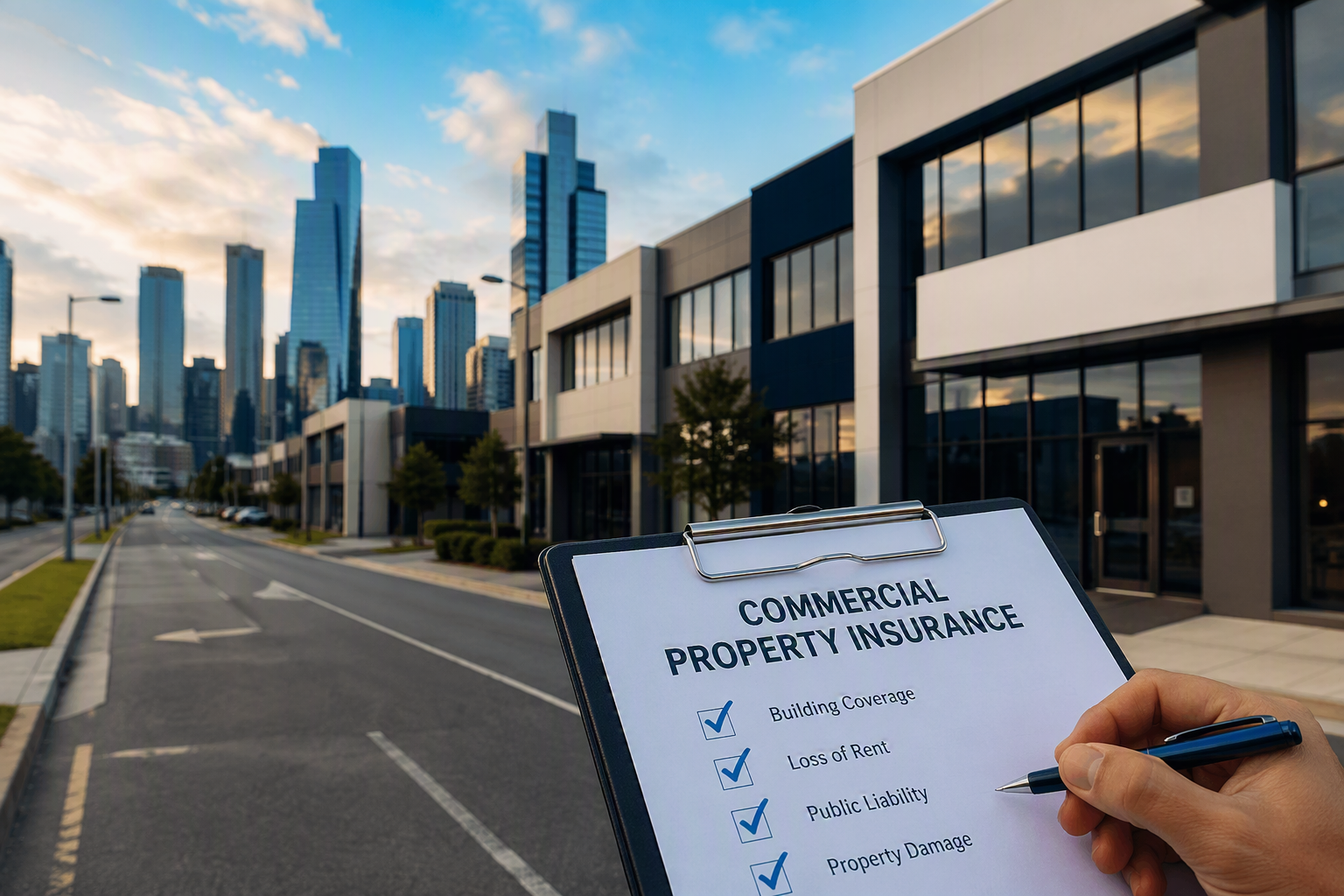
Commercial Property insurance
Commercial property can be one of the most valuable assets in an investor's portfolio. Whether you own a warehouse in Melbourne's industrial suburbs, a retail shop leased to a tenant, or a multi-tenanted office building, protecting that investment should be a priority.
Many commercial property owners focus heavily on the property's location, rental returns and capital growth potential, but often underestimate the financial impact that an unexpected event can have. A fire, severe storm, liability claim or prolonged loss of rental income can quickly turn a profitable investment into a costly challenge.
In this article, we explore some of the key risks facing commercial property owners in Melbourne and how Commercial Property Insurance can help manage those risks.
Commercial Property Ownership Comes with Unique Risks
Unlike residential investment properties, commercial buildings often involve larger sums insured, more complex tenant arrangements and a wider range of potential exposures.
Some common commercial property types include:
Retail shops
Shopping strip premises
Warehouses
Factories
Office buildings
Medical centres
Mixed-use developments
Each property type presents different risk factors, which is why insurance solutions should be tailored to the specific property and tenancy arrangement.
Fire Remains One of the Biggest Threats
One of the most significant risks for commercial property owners is fire damage.
A fire can result in:
Extensive building damage
Loss of rental income
Expensive demolition and rebuilding costs
Business disruption for tenants
Long vacancy periods
For example, if a tenant's operations are disrupted by a major fire, repairs may take months or even years to complete. During that period, a property owner may continue to face loan repayments, council rates and other holding costs while rental income ceases.
This is one reason why many investors consider Loss of Rent cover as an important component of their Commercial Property Insurance program.
Weather Events Impacting Property Owners
Melbourne's weather can be unpredictable. Commercial properties may be exposed to:
Storm damage
Hail damage
Water ingress
Flooding (where cover is selected)
Wind damage
Even relatively minor storm events can result in costly repairs to roofs, cladding, shopfronts and internal fit-outs.
Property owners should regularly review building replacement values and ensure their insurance arrangements remain appropriate as construction costs continue to fluctuate.
Liability Claims Can Be Expensive
Many property owners focus solely on protecting the building itself but overlook liability exposures.
Consider some common scenarios:
A visitor slips on a wet surface in a common area.
A falling building element damages a neighbouring property.
A contractor is injured while attending the premises.
Even if a property owner is ultimately not responsible, legal defence costs alone can be substantial.
Public Liability cover is often included within a commercial property insurance package to help protect property owners from these types of claims.
Loss of Rent Cover
When discussing Commercial Property Insurance, most people immediately think about insuring the building.
However, many investors rely on rental income to:
Service investment loans
Fund retirement plans
Meet operating expenses
Support cash flow
If a property cannot be occupied following insured damage, rental income could stop for an extended period.
Loss of Rent cover is designed to provide protection against this financial loss and is an important consideration when reviewing an insurance program.
Understanding Underinsurance
One of the most common issues encountered in the insurance industry is underinsurance. Many commercial property owners insure a building for its market value rather than its rebuilding cost. The two figures are often very different.
The rebuilding cost should take into account:
Demolition expenses
Professional fees
Construction costs
Debris removal
Inflation in building materials
If a building is significantly underinsured, a property owner may face a shortfall when making a claim.
Regular reviews of building values can help reduce this risk.
Risk Management Can Influence Insurance Outcomes
Insurance is only one part of a property's risk management strategy.
Practical measures that may assist in reducing risk include:
Maintaining electrical systems
Conducting regular building inspections
Servicing fire protection equipment
Ensuring adequate security measures
Addressing maintenance issues promptly
A well-maintained property can help reduce the likelihood of losses and may also be viewed favourably by insurers.
Final Thoughts
Commercial property ownership offers significant opportunities, but it also comes with responsibilities and risks.
A well-structured Commercial Property Insurance policy can help protect both the physical asset and the income generated from it. Whether you own a retail premises, warehouse, factory or office building, it is important to regularly review your insurance arrangements to ensure they remain aligned with your property's value and exposure.
As Melbourne's property market continues to evolve and rebuilding costs fluctuate, taking the time to understand your insurance requirements can help provide peace of mind and financial protection when unexpected events occur.
Reach out to us today to discuss your insurance needs or visit our Commercial Property Insurance page to learn more.